
the carrier pigeon has retir’d
wires cross the land:
long live the ‘phone

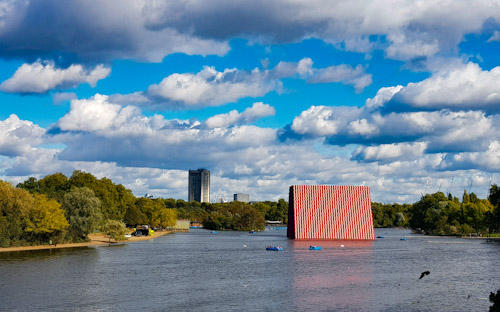
Clouds hover
Over the serene Serpentine:
Hyde park on a Sunday
When I worked in a dental practice near Portobello Road in west London, I met a lot of ‘colourful’ characters, many of whom I might have avoided had I saw them approaching me by chance in the street. One fellow, Ted, a large patient whose nose had been broken at least once and been badly fixed, said to me once: “If anyone ever causes you trouble in the street, just say you’re a friend of Ted. That’ll warn them.”
One day while I was standing in a queue at a takeaway counter waiting to order lunch, someone standing near me, a patient of mine, said: “Need a motor, doc?” I answered that I did not need a car at that point of time. “No problem, Doc,” he replied, “when you need one, just tell me what you want, whatever colour and make, and I’ll get it for you.” Not willing to sound ungrateful, I thought that when he said “get”, he really meant “steal.”
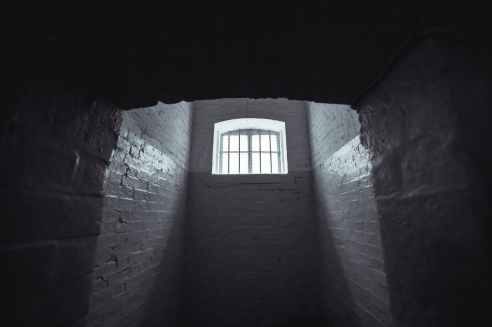
I had many patients who had been in and out of trouble with the law. Often, I would be told: “Look what the prison dentist did to this tooth, doc. Bleeding butcher, he was. Ought to be put behind bars.” I never asked why my patients had spent time ‘inside’. I felt it would be better not to know.
The last patient before one lunchtime was an aggressive young man. He was accompanied by his friend, a slightly older man. Before I had time to ask the young fellow what was wrong, he told me. Pointing to a lower left premolar tooth, he said: “Get it out. It’s f…..g killing me.” I looked at the chap. His mouth did not seem to close properly. “Don’t just stand there. Get it out, man”. I looked at the tooth. It looked alright. It was neither decayed, nor wobbly, nor tender. That strange mandibular posture bothered me.
“You’ve broken your jaw,” I said. “Don’t give me that crap. Just take it out.” I said: “If I take it out, you will still be in pain. You need to go to a hospital to fix your jaw.” This only angered the patient more, and I began to fear for the integrity of my jaw. “I’m not leaving until you take it out.” “Then,” I replied, “I’ll ring for an ambulance.” The patient’s friend said: “Come on, mate, let’s go.” Reluctantly, the patient allowed his friend to drag him out into the street. I locked the practice for the lunch break, relieved to see them leave.
Some days later, I met the patient’s friend in the street. I asked him whether the young man had been to hospital. He did not answer my question. Instead he said: “He’s gone away.” “On holiday?” I queried innocently. “Yes, on holiday.” “Long holiday?” I asked, beginning to understand what he meant by ‘holiday’. “Yes, very long holiday”.
New developments at King’s Cross, London
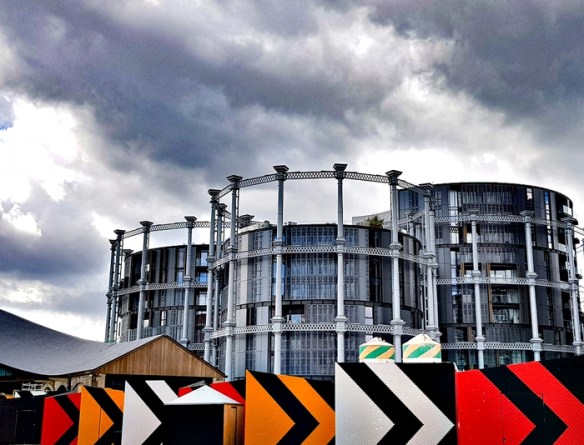
Once they stored gas,
now to dwellings converted
where trendy people reside
The sleeping brain
powerhouse of fantasy
fertile playground of dreams

Many of us experience dreams that recur periodically, not necessarily every night, but from time to time. Here is mine.
I dream that I am about to take a mathematics exam. I know that I have had a year to study for it, but have done nothing about it. Maybe, I can ‘wing it’ without study, but I am sure that I cannot. There are only a few days left to study, but something tells me that neither will there be enough time, nor will I ever get started. I will tell you how the dream ends later on.
Ever since I was about 8 years old, I have been writing examinations. First, there were simple tests to enter preparatory school. At the end of each school year, we sat a series of written tests. Then, there were more (and much more difficult) papers for admission to secondary school to be attempted when I was 12. At age 16, I had to write state examinations in eight subjects, the Ordinary Level (‘O Levels’, now ‘GCSE’). A year later, a few more state examinations, and then when I was 18, I had to take the difficult Advanced Level exams that could make or broke a candidate’s chances of entering a University.
At the end of each year of my BSc course in physiology, there were examination papers, the results of each of them counting towards the quality (grade) of the degree I would be awarded.
Following that, I had a three year break from exams while I researched and then wrote up my PhD thesis.
I entered dental school, where for five years I had to pass endless numbers of examinations of all sorts: practical, written, and viva-voce.
Eventually, I graduated as a dentist. However, there was one more examination to be taken: the driving test!
I have never found writing examinations stressful.
My recurring dream ends as follows. After pondering the hopelessness of my prospects via-a-vis the forthcoming mathematics exam in my sleeping brain, it occurs to me that it does not matter after all, because already I had a BSc, a PhD, and a dental degree. Then, I wake up.
This dream ending might have a basis in reality. When I was ready after completing the dental course, I took the set of dental qualifying examinations arranged by the Royal College of Surgeons. I passed them.
Three month’s later, after I had been working with patients in practice for most of that time, I returned to the dental school to take the university dental examinations. I was already qualified, and did not really need the extra qualification, but I went along nevertheless. The university exams required me sitting a number of written papers along with a clinical test. While sitting on an uncomfortable chair, scribbling exam essays at high speed, I paused for a moment. As in my dream, I asked myself why was I bothering to waste time on attempting to attain this superfluous qualification when I had so many already.
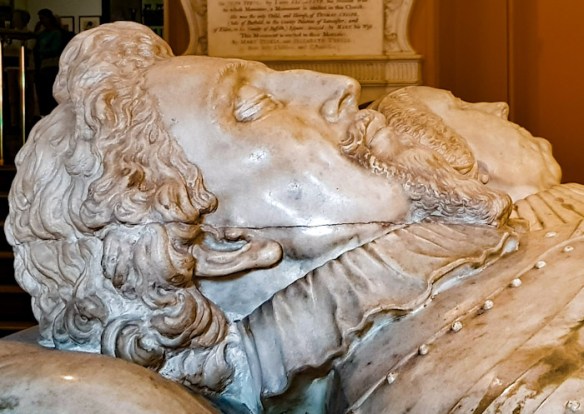
Side by side, lying in state,
in solid stone,
… until eternity
photo taken at V&A Museum, London, UK
Once upon a time there was a country, Yugoslavia … but, no more.

Lost in Ljubljana
Strolling through Bitola
Think: Yugoslavia

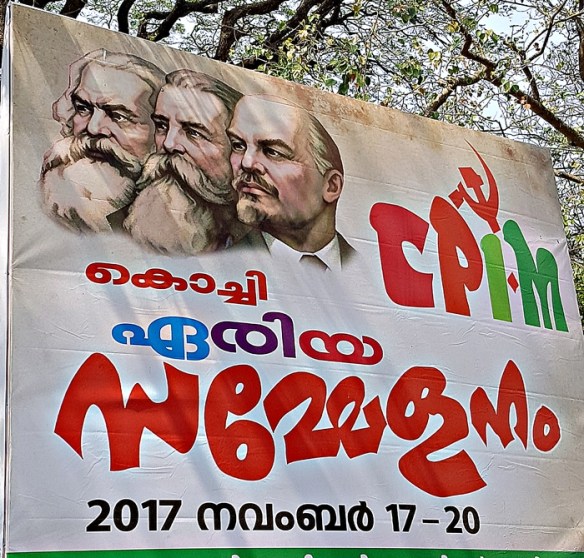
Marx, Engels, and Lenin
view Kerala from
under the southern sun
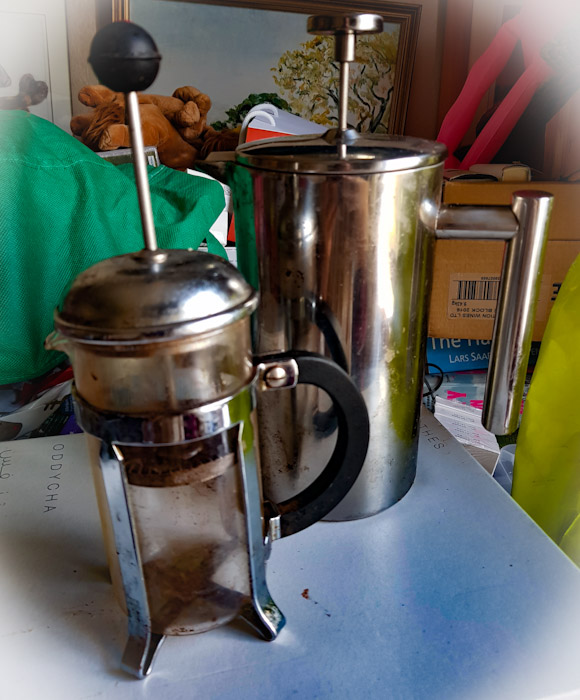
Push the plunger
On the caf-e-ti-ere
Enjoy a hot coffee now
At any moment during the day, the sun is setting somewhere on Earth

Moon rise behind cloud,
Day ending near,
Soon the city will be asleep…

