Kofi Annan (1938 – 18th Aug 2018)
Kofi Annan a man,
not UNloved, no longer lives,
now history

Kofi Annan (1938 – 18th Aug 2018)
Kofi Annan a man,
not UNloved, no longer lives,
now history
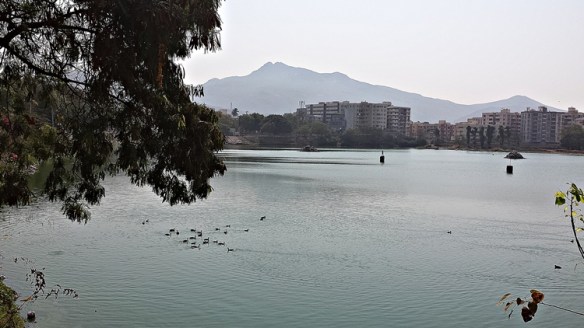
A famous poet from GUJARAT

View original post 167 more words
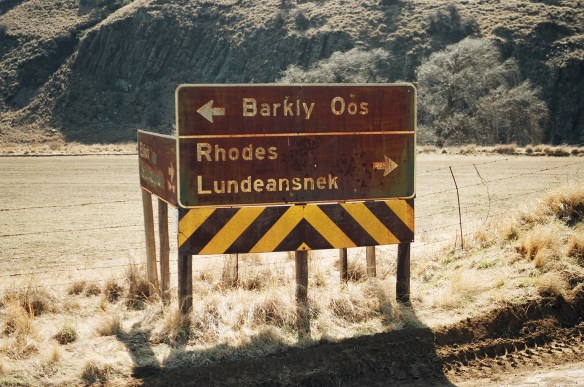
Barkly East (Barkly Oos in Afrikaans), South Africa 2003:
The museum curator met us. She gave me a list of the eleven Jews who had been buried in Barkly East’s cemetery. She told us that although Edelsteins was a smaller store, that it acted as a rival to Seligmann’s store. Mrs. Van Wyk related that the last Jewish family to live in Barkly East was the Bortz family. Lazer Bortz had come out of Russia to South Africa with his sister (? Or wife) and both had been employees of Seligmann’s before Lazer set up his own business, as a fuel (i.e. oil and coal) supplier. The business still exists, with new owners, under its original name of “L. Bortz” but the family has long left the town. They went to Bloemfontein. Lazer had a son. The curator used to teach him when he still lived in the town. She then asked for our assistance.
Long after the Bortz family had left Barkly East she noticed something attached their house – she prized it off the wall in order to keep it safe from vandals. She did not know what it was.
It was a mezuzah*, complete with its prayer scroll.
[ * These are always mounted on the right hand side of entrance doors in traditional Jewish homes]

I hope that you will also enjoy:
In AHMEDABAD (Gujarat, India), booksellers seek shade beneath a bridge!


View original post 51 more words


Daman
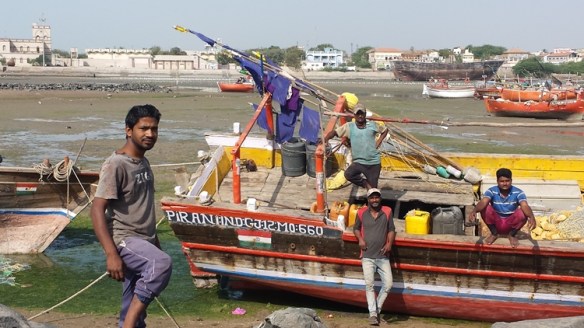
Kutch Mandvi, Gujarat
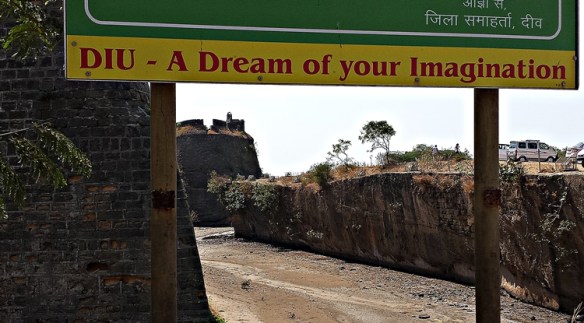
The fort at Diu
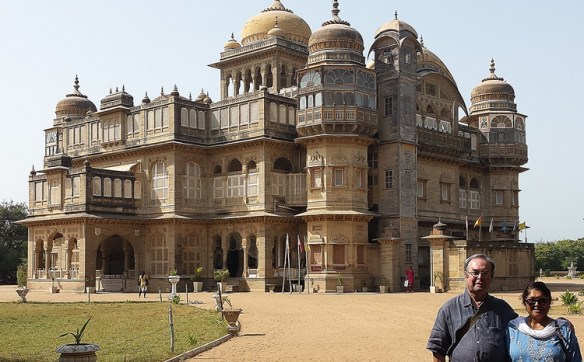
Kutch Mandvi
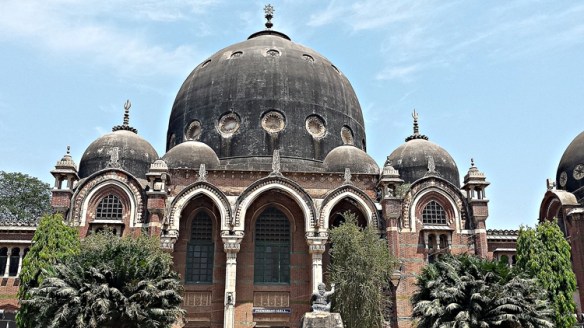
Baroda (Vadodara)
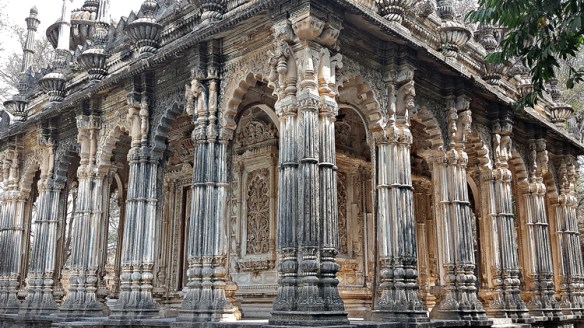
Junagadh
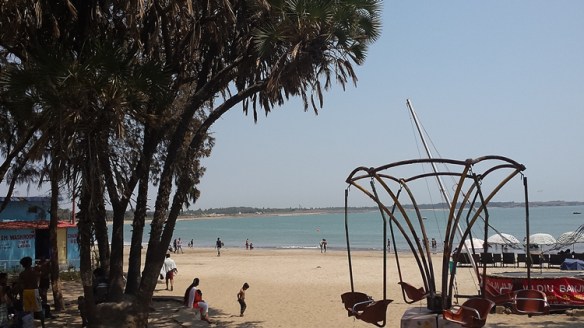
Nagoa Beach, Diu
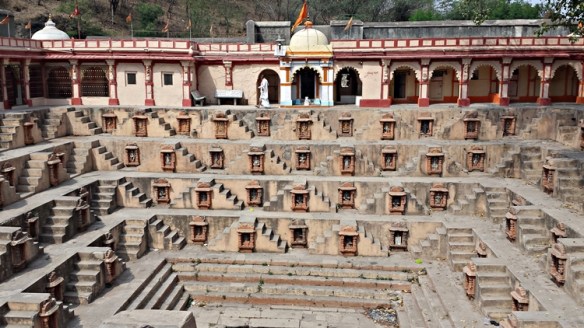
Sihor
HAPPY INDIAN INDEPENDENCE DAY
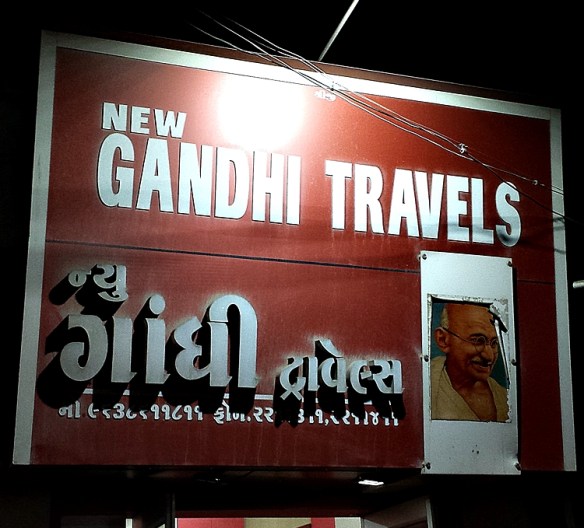
Gandhi in Porbandar
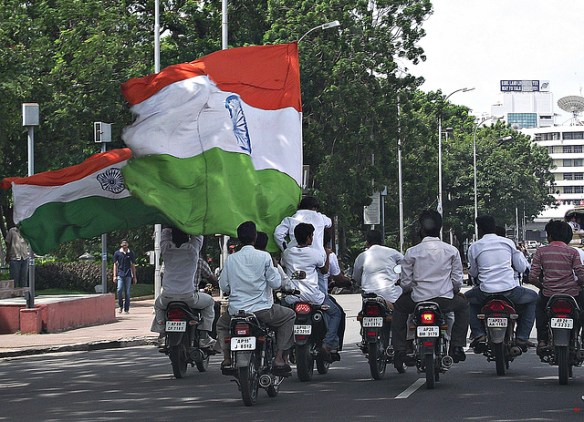
Hyderabad, 2012
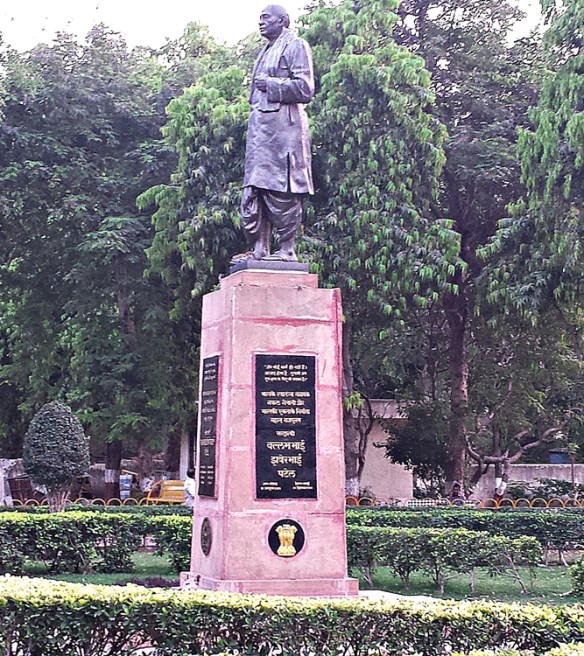
Sardar Vallabhai Patel in Ahmedabad
View original post 250 more words
A few years later during my first year at UCL, 1971, I decided to travel overland to Vienna and Lake Neusiedl which shares its waters between Austria and Hungary. I believe that the shallow waters of this lake shift between the two countries according to which way the wind is blowing. Sometimes more of the lake is in one country rather than the other, and at other times the situation is reversed. The border remains the same, but the lake moves. This trip was made before I had ever ventured into Soviet Russian controlled Eastern Europe and I wanted to look across the lake from Austria into a country which formed part of this.
I had decided to stop en route in various places including Wurzburg, Linz, Melk, Salzburg, and Munich.
I was planning to stay in youth hostels on the way.
My mother insisted that my first night in continental Europe should be spent in a proper hotel rather than a hostel.
I planned to stay that night in Cologne in West Germany, but in order to comply with my mother’s wish I had to find a hotel there. By that time, I already possessed a large collection of pre-WW1 Baedeker guidebooks; I was not so interested in up-to date guides. I consulted the volume that included Cologne and discovered that the guide recommended (before 1914) a centrally located ‘Dom Hotel’.
In the early 1970s, there was no internet to look up the hotel’s telephone number.
The International Directory Enquiries service revealed that not only did the hotel still exist but it also provided me with its ‘phone number. I booked a room from London. My mother’s instruction was that I should telephone her as soon as I arrived there to inform her that I had crossed the Channel safely.
When I stepped off the train in Cologne, I found that the hotel was a short walk from the Hauptbahnhof. As I climbed up the grand establishment’s front steps, I told a liveried hotel flunkey, who descended to meet me, that I had a reservation for the night. Hearing this, he asked me for my baggage. I unhitched my old rucksack – it had belonged to an uncle of mine for years before it became mine – and handed to him. He carried inside, holding it as gingerly as a squeamish person might hold a dead rat by the tip of its tail. This man was accustomed to carrying polished leather valises, but not tatty canvas rucksacks.
At considerable expense I made the obligatory telephone call to my mother in London. After that, I was not required to make any further contact with home and could stay wherever I wanted. It might seem from this that once my mother had received this call from Cologne, she could stop worrying about me. But, I bet that she continued to be anxious until I reappeared in London. The youth hostels where I stayed subsequently were a lot less comfortable than the Dom, but much more fun.
Text from “Charlie Chaplin Waved to Me” by Adam Yamey (Available from Amazon, lulu.com, bookdepository.com)


 yamey
yamey 