
How do you know whether a book is worth reading from beginning to end?
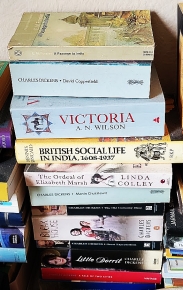
Some people read the first few, say 10 to 20 pages, and then decide to continue or discontinue reading. Others I know read the first few and last few pages, and then choose whether it is worth reading in its entirety. Someone I knew, who was an avid and intelligent reader, told me that if she was finding a book difficult to ‘get into’, she would open the book, and read a few pages somewhere in the middle of the volume, before making a decision. My wife does all three: beginning, end, and a few pages in the middle. What ever method you use to assess the readability of a book is up to you.
In my case, if my attention is grabbed and I have reached the hundredth page, I will read to the end. If not, then I will most probably abandon the book, and move on to another.
PS Most people give up reading Ulysses by James Joyce before they reach page 30


 yamey
yamey 