
In 1962, my parents took me and my sibling to Denmark. We travelled by car, and wherever we stayed, the beds had duvets (feather filled quilts), rather than sheets and blankets. My mother was very impressed by the duvets, which we had never seen before. Here is an excerpt abot duvets from my book about my mother “Remembering Helen: My Mother the Artist”:
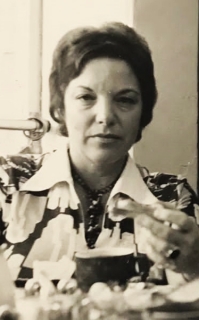
“In Denmark, my mother purchased four duvets filled with Eider duck feathers, and cotton covers for them. The Danish word for duvet is ‘dyne’, which is pronounced ‘doo-ne’. Two of the duvets were folded and placed on the rear seat of the car. My sister and I sat on these all the way from Denmark back to London. The other two were stuffed in the boot. After returning from Denmark, my mother decreed that from then on, duvets would be used instead of sheets and blankets. At home, we referred to them by their Danish name. Although a few British people had known about duvets since long before the 18th century (the English traveller Tom Coryate had described them in the 17th century), and Harrods stocked them in the 1950s, they did not become commonly used until Terence Conran began selling them in his Habitat shop in 1964. Once again, my mother was ahead of the times. Not only had she installed car seatbelts and child locks long before they became common in Britain, but also her use of duvets was way ahead of the crowd.“
You can read more about my mother, a sculptor who worked and exhibited alongside Elizabeth Frink, Antony Caro, Philip King, Barbara Hepworth, and Henry Moore in my book that is available from Amazon (click on the picture below):
 yamey
yamey 